

Dental implants are designed to be strong and stable, making them a common option for replacing missing teeth. However, in some cases, a dental implant may begin to feel loose or unstable. This can be worrying, especially when the implant previously felt secure.
Understanding why a loose implant occurs and knowing the appropriate steps to take can help protect your oral health and reduce the risk of further complications. In many cases, the problem can be addressed if it is identified early.
What Is A Dental Implant?
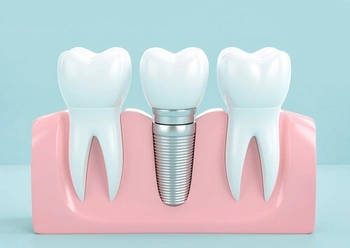 A dental implant is a dental restoration designed to replace missing teeth. The implant itself is usually made from titanium and is placed into the jawbone during dental implant treatment.
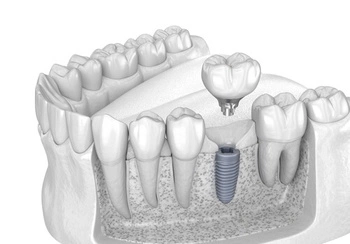
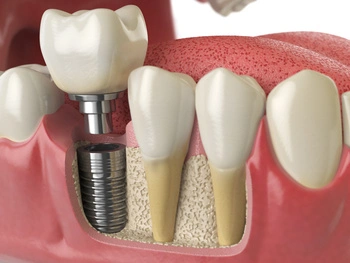
The implant system typically includes three parts:
- The implant fixture placed in the bone
- The implant post or connector
- The prosthetic tooth, which is the visible crown
After the implant is placed, it slowly bonds with the bone through a process where the implant fuses with the surrounding structure. This creates a strong base that supports the artificial tooth.
What Does It Mean If An Implant Feels Loose?
When people say they have a loose dental implant, they may notice that the crown moves slightly or that the implant feels unstable when chewing.
Sometimes the implant itself remains secure, but another part has loosened. For example:
- A loose crown may develop if the crown becomes detached from the connector.
- A loose abutment may occur if the connector between the implant and crown loosens.
In other situations, the implant itself may move within the bone. This may indicate implant failure and should be assessed quickly.
Signs Of A Loose Implant
Certain symptoms may suggest a problem with the implant.
Common signs include:
- The implant may feel loose when chewing.
- Movement of the prosthetic tooth.
- Discomfort around the implant area.
- Swelling in the surrounding gums.
- Difficulty biting normally.
If the implant starts to move or feel unstable, it is important to contact a dentist immediately.
Why A Dental Implant May Become Loose
A loose dental implant can occur for several reasons. Often, the cause relates to the surrounding bone, the implant components, or pressure on the implant.
Bone Loss Around The Implant
The implant depends on healthy bone support. If bone loss occurs around the implant, the stability of the implant may decrease.
Bone loss can result from infection, trauma, or periodontal disease affecting the tissues around the implant.
Gum Disease And Infection
Conditions such as gum disease may affect the tissues around the implant. When infection develops, infected tissue may damage the surrounding bone, making the implant unstable.
Excessive Force On The Implant
Too much pressure on the implant can cause it to move. Causes of excessive force may include:
- Teeth grinding during sleep.
- Biting very hard foods.
- Frequent pressure on the implant.
Excessive pressure can interfere with healing, especially during the early stage when the implant starts integrating with the bone.
Problems With Healing
After implant surgery, the implant must bond with the bone. If the healing process does not happen properly, the implant may not stabilise fully.
Several factors may affect healing, including bone density, oral hygiene habits, and general health.
Can A Loose Implant Be Fixed?
In many cases, dentists can fix loose dental implants once the exact cause is identified.
The dentist will assess the implant and the surrounding tissues to identify the underlying cause. Treatment options depend on the specific issue.
 Possible solutions include:
- Tightening a loose crown or loose abutment
- Cleaning infected tissue around the implant
- Treating gum disease
- Supporting the bone with bone grafting
- Replacing a failed implant if necessary
Some treatments involve adjusting the implant components, while others may involve deeper procedures to restore stability.
Why Early Treatment Matters
When a loose implant is ignored, it may lead to further complications.
If infection spreads, the bone around the implant can weaken further. This may make the implant difficult to save.
Early intervention helps ensure the problem can be treated effectively. Seeking professional advice promptly increases the likelihood of a successful repair.
Preventive Measures For Implant Health
Good habits help protect dental implants and prevent future issues.
Maintain Good Oral Hygiene
Consistent oral hygiene helps protect the tissues around the implant. Keeping the mouth clean helps lower the risk of infection and supports the long-term stability of the implant.
Avoid Excessive Pressure
Avoid chewing sticky foods or very hard foods that place too much pressure on the implant.
Attend Regular Dental Visits
Routine dental check-ups allow dentists to monitor the condition of the implant and surrounding tissues.
Follow Proper Care Instructions
After implant placement, following your dentist’s instructions is essential. Proper care during the healing period helps ensure the implant integrates correctly with the bone.
Final Thoughts
 A loose dental implant can be concerning, but it does not always mean the implant has failed completely. In some cases, the issue may involve a loose crown or connector rather than the implant itself.
Understanding the causes and seeking professional care early can help fix loose implants and prevent more serious problems. With good oral health habits, proper dental care, and regular check-ups, dental implants can remain a reliable option for replacing missing teeth.
If you are concerned about a loose dental implant or changes around an existing implant, you can book a consultation with us at Lyndarum Family Dentist or call 03 9626 9581 to discuss your situation and receive appropriate advice.
Note: Any surgical or invasive procedure carries risks. Before proceeding, you should seek a second opinion from an appropriately qualified health practitioner.
Resources
“Colgate (2023). ‘What Is Good Oral Hygiene?’. Colgate Oral Care Centre, 9 January. New York, NY: Colgate-Palmolive Company. https://www.colgate.com/en-us/oral-health/adult-oral-care/what-is-good-oral-hygiene”
“Cleveland Clinic (2023). ‘Periodontal Disease (Gum Disease)’. Cleveland Clinic, 10 April. Cleveland, OH: Cleveland Clinic. https://my.clevelandclinic.org/health/diseases/21482-gum-periodontal-disease”
“Mayo Clinic Staff (2024). ‘Dental Implant Surgery’. Mayo Clinic, 23 October. Rochester, MN: Mayo Foundation for Medical Education and Research. https://www.mayoclinic.org/tests-procedures/dental-implant-surgery/about/pac-20384622”