
If you are missing one or more teeth, you may be wondering, ‘what is a partial denture?’ and ‘would it work for me?’ Gaps in the mouth can affect more than appearance. They can change how you chew, speak, and feel about your smile. For many patients, partial dentures offer a practical and flexible way of replacing missing teeth while keeping their remaining natural teeth.
This guide explains what partial dentures are, how they work, the different types available, and what to expect in daily life. Understanding how partial dentures fit into overall oral health can help you decide whether they are a suitable tooth replacement option for your needs.
How Partial Dentures Work in the Mouth
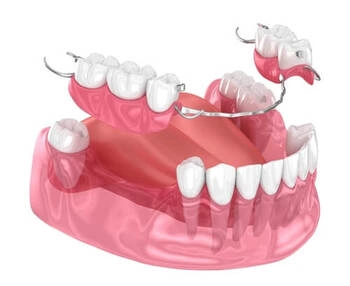 Partial dentures sit in the mouth and work alongside your natural teeth rather than replacing them completely. They are designed to rest on the gums and connect to existing teeth for support. This helps keep the denture stable during everyday activities like eating and speaking.
The denture fills the missing spaces and shares chewing pressure across the jaw, remaining teeth, and gums. When designed correctly, this balance helps protect other teeth from excess strain.
Some patients worry that dentures may feel loose at first. This is common during the early adjustment period. With proper fitting and follow-up care from a dentist, most partial dentures become stable and comfortable over time.
What Is a Partial Denture and Why Is It Used?
A partial denture is a type of tooth replacement designed for people who have lost some teeth but still have other natural teeth remaining. Instead of replacing an entire set of teeth, partial dentures fill the gap left by missing teeth and help restore function and appearance.
Partial dentures use artificial teeth, sometimes called false teeth, that are shaped to match your existing teeth. These are attached to a base that sits against the gums and is supported by the remaining teeth or surrounding mouth structures.
Partial dentures are commonly used after tooth loss caused by decay, injury, or other dental problems. By filling empty spaces, they help stop nearby teeth from shifting and support a balanced bite. For many patients, they also improve confidence by restoring a more complete smile.
Where Partial Dentures Are Used in the Mouth
Partial dentures can be designed for the upper or lower jaw, depending on where teeth are missing. They may replace teeth on one side of the mouth or across the upper and lower sections.
They are often used to replace front teeth, where appearance is important, or lower teeth, which play a major role in chewing. Dentures can also be designed for the upper jaw only, the lower jaw only, or both.
The design depends on how many teeth are missing, the shape of the jaw, and the condition of the gums and bone underneath.
Different Options For Partial Dentures
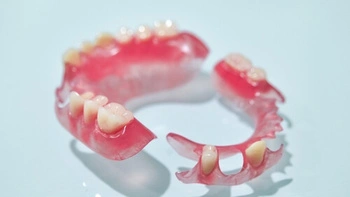
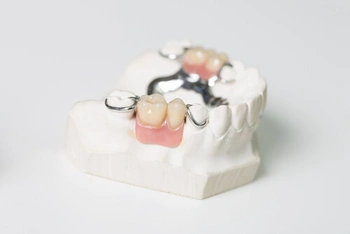 Partial dentures come in a range of designs, with each option suited to different patterns of tooth loss, mouth structure, and support from the remaining teeth and gums. The most commonly used designs are removable, allowing the denture to be taken out for cleaning and rest. These are often chosen because they are easier to maintain and do not permanently alter natural teeth. Some removable designs use firmer materials for structure, while others are made from softer, flexible materials that adapt closely to the gums and may feel more comfortable for people with sensitive tissues.
In cases where added strength and stability are needed, partial dentures may include a thin metal framework that helps the denture maintain its shape and stay secure during chewing. These designs are often lightweight despite their strength and can provide reliable long-term support. In contrast, some partial dentures are fixed in place and not removed by the patient. These are usually supported by nearby teeth and may involve dental crowns, offering a more permanent feel but requiring additional dental preparation. Temporary dentures may also be used in certain situations, such as during healing or treatment planning, to maintain appearance and basic function until a long-term solution is ready.
Planning and Cost Factors for Partial Dentures
The cost of a partial denture differs from person to person, as no two treatment plans are exactly the same. Pricing is influenced by several factors, including how many teeth need to be replaced, the design of the denture, and the materials used in its construction.
Costs may also vary depending on whether additional dental treatment is required before or during the process. A dentist can explain the recommended approach, outline what is involved at each stage, and provide clear information about expected costs before treatment begins. For many patients, partial dentures offer a practical balance between function, comfort, and long-term oral support.
Materials and Design of Partial Dentures
Partial dentures are made from different materials, each with specific benefits. The choice affects comfort, durability, and appearance.
Some dentures use plastic or acrylic bases that sit against the gums. Others use gum-coloured plastic designed to blend naturally with the mouth. Metal-based designs use metal for strength and stability, especially in areas with higher chewing pressure.
Clasps, including metal clasps, help anchor the denture to existing teeth. These clasps are carefully shaped to reduce visibility and support a natural appearance.
The artificial teeth themselves are shaped and coloured to match your surrounding teeth, helping the denture blend into your smile.
Partial Dentures Compared to Other Tooth Replacement Options
Partial dentures are one of several ways to replace missing teeth. Understanding how they compare to other options can help with decision-making.
Partial Dentures vs Dental Implants
Dental implants replace teeth by placing implants into the bone of the jaw. Implants can offer strong support, but they involve surgery and a longer treatment process.
Partial dentures:
- Are usually non-surgical
- Can replace several missing teeth at once
- Are more accessible for many patients
Implants may suit some people, while others prefer partial dentures based on comfort, health factors, or cost.
Partial Dentures vs Fixed Bridge
A fixed bridge replaces missing teeth by attaching artificial teeth between existing teeth. This often requires two crowns on neighbouring teeth. While bridges can feel stable, they involve altering healthy teeth.
Partial dentures do not always require changes to surrounding teeth, making them a more conservative option for many patients.
Oral Health and Daily Care
Maintaining good oral hygiene is essential when wearing partial dentures. Cleaning both the denture and natural teeth helps protect the gums and remaining teeth.
Dentures should be removed and cleaned daily to remove food particles and plaque. Many patients are advised to remove dentures at night to give the gums time to rest.
Good care supports long-term oral health and helps reduce the risk of gum disease, irritation, or odour.
Comfort, Fit, and Adjustment Over Time
When first worn, partial dentures may feel unfamiliar. The mouth needs time to adjust to the new shape and pressure. Mild jaw pain or pressure can occur early on but usually settles.
If discomfort continues or if dentures cause severe pain, adjustments may be needed. Regular follow-up visits allow the dentist to check the fit and make changes if needed.
With proper care and adjustment, most patients find partial dentures comfortable and easy to wear.
Effects on Gums, Jawbone, and Long-Term Oral Health
Partial dentures interact with the gums, remaining teeth, and jawbone over time. Understanding these effects helps set realistic expectations and supports long-term comfort and stability.
Maintaining Tooth Spacing and Bite Balance
When teeth are missing, nearby teeth can gradually shift into the empty space. Partial dentures help fill these gaps, which supports spacing between teeth and contributes to more even bite alignment. By reducing unwanted tooth movement, they help distribute chewing forces more evenly and limit changes in how the upper and lower teeth meet.
Changes in the Jawbone Over Time
Partial dentures replace the visible part of missing teeth but do not replace the tooth root. Because of this, they do not stimulate the jawbone in the same way as dental implants. Over time, areas of the jaw where teeth are absent may slowly change shape. These gradual changes are normal and may influence how the denture fits as the mouth adapts.
Importance of Healthy Gum Tissue
Healthy gums play an important role in denture comfort and stability. If the gums are inflamed or affected by gum disease, the denture base may feel uncomfortable or create pressure points. Ongoing irritation can also increase movement during eating or speaking. Good oral hygiene, including careful cleaning of the gums and remaining teeth, helps reduce irritation and supports long-term comfort.
Why Regular Dental Visits Are Important
Routine dental visits allow changes in the gums, jawbone, and denture fit to be monitored. During these reviews, a dentist can assess how the denture is sitting, check the health of the remaining teeth, and identify early signs of wear or shifting. Making small adjustments early often prevents discomfort and more complex issues later.
Supporting Long-Term Comfort and Function
A well-fitted partial denture is designed to spread chewing pressure across both the gums and remaining teeth. This helps reduce strain on individual teeth and supports day-to-day comfort. With consistent care, regular reviews, and timely adjustments, partial dentures can continue to function effectively as part of long-term oral health management.
Patients Who May Benefit From Partial Dentures
Partial dentures may be appropriate for people who have lost one or more teeth but still retain healthy natural teeth. They are often considered by those who want a tooth replacement option that does not involve surgery and can be removed for cleaning. Suitability depends on factors such as the condition of the remaining teeth, gum health, jaw support, and how the mouth functions overall. A dentist can assess these factors to determine whether partial dentures are a suitable option.
 Living With Partial Dentures Day to Day
 Living With Partial Dentures Day to Day
Once adjusted, most patients find partial dentures easy to live with. They help restore chewing, speech, and appearance while fitting into daily routines.
Dentures may need occasional adjustments over time as the mouth changes. Regular dental visits help ensure continued comfort and function.
Final Thoughts
So, what is a partial denture? It is a practical, adaptable solution for replacing missing teeth while preserving natural teeth. Partial dentures help restore function, support oral health, and improve appearance for many patients.
If you’re concerned about missing teeth or want help choosing a partial denture option that suits your mouth, comfort, and long-term dental health, a personalised discussion can help clarify your choices. You can book a consultation with us at your Epping-based partial denture clinic, Lyndarum Family Dentist or call 03 9626 9581 to talk through your questions and next steps in a calm, supportive way.
Resources
Cherney, K. & McLean, A. (2025). ‘10 Ways to Keep Your Teeth Healthy’. Healthline, 13 May. San Francisco, CA: Healthline Media. https://www.healthline.com/health/dental-and-oral-health/best-practices-for-healthy-teeth
Mayo Clinic Staff (2024). ‘Dental Implant Surgery’. Mayo Clinic, 23 October. Rochester, MN: Mayo Foundation for Medical Education and Research. https://www.mayoclinic.org/tests-procedures/dental-implant-surgery/about/pac-20384622
Cleveland Clinic (2023). ‘Cavities’. Cleveland Clinic, 27 March. Cleveland, OH: Cleveland Clinic Foundation. https://my.clevelandclinic.org/health/diseases/10946-cavities
Watson, S. (2024). ‘Gingivitis and Periodontal Disease (Gum Disease)’. WebMD, 9 February. New York, NY: WebMD LLC. https://www.webmd.com/oral-health/gingivitis-periodontal-disease


Navigating the cost of dentures as a pensioner can feel overwhelming, but with the right information, achieving good oral health and quality dental care becomes Read more