

Root canal treatment often raises questions around timing because most people worry about how long they will be in the chair. If you’ve been told you need a root canal procedure, it’s natural to want clarity on what to expect. So, how long does a root canal take?
When the time needed for a root canal varies, it reflects the unique structure of each tooth rather than a one-size approach. Let’s look at what influences the duration of a root canal and what happens along the way.
What Shapes the Time Needed for a Root Canal
Every root canal procedure adapts to the tooth being treated, the condition of the infected pulp, and how many steps are needed to clean and seal the space. These elements influence how long the appointment takes, which may be around 30–60 minutes for simpler cases, and why some require more than one visit.
Once an initial consultation confirms you need root canal therapy, your dentist can tailor the treatment plan accordingly so the treated tooth remains stable.
 Why Tooth Location Changes the Appointment Flow
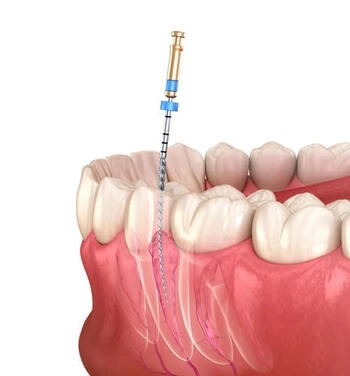 Why Tooth Location Changes the Appointment Flow
Front teeth usually have a single canal, while molars often contain multiple canals. Single-canal teeth involve fewer internal spaces to clean. Molars and premolars may take longer due to their branching canal patterns, especially when hidden canals are present.
The number of canals also shapes how long shaping and disinfecting require. This is why root canal duration differs even when the same dental treatment is performed.
How Infection Depth Influences Cleaning and Shaping
Early tooth infection is often simpler to treat because bacteria have not travelled far into the root system. When the infected tooth pulp is deeply affected, cleaning the space becomes more intricate. Some people seek care only when tooth pain intensifies, which can mean the bacterial infection has developed further.
The treatment process, therefore, may include extra disinfecting steps to prevent further damage. This added detail helps protect neighbouring teeth by eliminating the source of tooth infection.
When Previous Dental Work Can Add Complexity
If the tooth has had prior dental treatment, especially old fillings or crowns, the appointment may take longer. The dentist must carefully navigate older materials to access the tooth pulp without affecting the remaining tooth structure. A previously damaged tooth might also have changes that alter the cleaning path. While this does not change the entire procedure, it shapes how each step is carried out.
Why Tooth Structure and Canal Shape Matter
Teeth with narrow or curved canals require precise shaping tools to make space for cleaning. These variations can lengthen the treatment process, particularly when multiple canals need attention.
Mild discomfort can appear after shaping due to the manipulation of small internal spaces, though this settles as the recovery period progresses. Your dentist may also take digital images when the canals are unusually complex, allowing the treated tooth to be sealed thoroughly.
What Happens During Root Canal Care
Root canal care unfolds in several structured steps that support tooth preservation. These steps help protect the natural tooth, maintain oral function, and restore comfort. While each appointment has its own sequence, they all aim to create a stable foundation for long-term support.
Step-By-Step Sequence During Your First Appointment
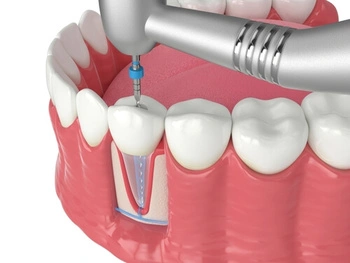 A first appointment for root canal treatment usually follows a clear clinical pathway:
- Local numbing: Keeps the treated area comfortable throughout the appointment
- Canal access: A small opening lets the dentist reach the infected pulp
- Cleaning and shaping: Instruments remove infected tooth pulp and contour the space
- Disinfection: The canal is cleansed to remove bacteria in the mouth
- Temporary sealing: A temporary dressing protects the treated tooth
Once this stage is complete, you leave with guidance to follow until the next visit.
How Second Visits Differ From the Initial Appointment
A second appointment focuses on sealing the canals once shaping is complete. This step helps protect the tooth from bacterial infection re-entering the space. Your dentist may also place a permanent filling after the canals are sealed. If more than one visit is needed, timing depends on how the gums heal and how the tooth responds across the recovery period.
When Complex Cases Need Extra Support
Sometimes, multiple canals or infection patterns make treatment more detailed. In these situations, your dentist may suggest additional dental appointments to finalise the root canal treatment. A damaged tooth with curved pathways or a tooth that hurts due to deep inflammation may need more evaluation.
These extra checks support successful root canal treatment by confirming the space is entirely ready to be sealed.
How Follow-Up Checks Track Healing
Follow-up care allows your dentist to:
- Review comfort levels: Mild tenderness is common early on
- Check for proper sealing: Confirm the permanent filling remains sound
- Monitor natural tooth response: Evaluate healing around the root
These checks help confirm the tooth is progressing well before crown planning.
Planning for Final Crown Placement
Once healing stabilises, a permanent crown is placed. This protective layer strengthens the treated tooth and supports long-term oral health. A crown also shields internal canals from new bacterial exposure. Your dentist’s advice may include guidance for good oral hygiene to maintain both the tooth and crown. For more involved cases, temporary coverings stay in place until the crown is fitted.
Move Forward With Confidence in Your Root Canal Journey
 A root canal keeps a natural tooth in place, relieves pain from infected tooth pulp, and avoids further damage that may lead to extraction. Each stage supports restoration of function, and once complete, a permanent crown offers ongoing protection.
If you need a root canal or are unsure whether your tooth pain suggests infected pulp, our team can guide you through the treatment process and answer your questions. Contact our clinic today on 03 9626 9581 to book your consultation.
Note: Any surgical or invasive procedure carries risks. Before proceeding, you should seek a second opinion from an appropriately qualified health practitioner.
References
https://www.mayoclinic.org/diseases-conditions/tooth-abscess/in-depth/root-canal/art-20585454
https://www.medicalnewstoday.com/articles/142780