

A sip of iced water or hot tea can bring on a sharp pain that fades just as fast. Sensitive teeth are a common concern raised at a general check-up and clean, and knowing what causes tooth sensitivity can help you understand what your teeth may be telling you.
At Lyndarum Family Dentist, we take the time to find what’s behind your sensitivity and explain your options clearly before anything begins.
Quick Overview
- Tooth sensitivity is a short, sharp pain that can happen when the layer under your enamel loses its protection.
- It may affect one tooth or several, and it often comes and goes with hot, cold, sweet or acidic foods.
- The causes range from worn enamel and receding gums to decay or a cracked tooth, and some need more attention than others.
- Where the pain sits, how long it lasts and what sets it off usually guide the next step.
Below, we explain the common causes, what you can do at home and when a dental visit may help.
What Causes Tooth Sensitivity?
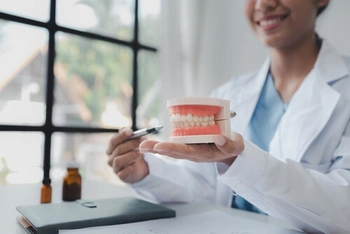 Tooth sensitivity happens when dentine, the layer beneath your enamel, becomes exposed. Dentine has tiny channels leading to the nerve endings inside the tooth. When hot or cold foods, sweet foods or acidic drinks reach them, the nerve can react with a sharp pain.
Enamel protects the visible part of the tooth, and gum tissue covers the tooth roots. When either wears down or pulls back, the underlying dentine loses its protection. Dentists call this dentine hypersensitivity.
It is a common problem. A large review of 77 studies estimated that around 1 in 9 people have sensitive teeth, although rates varied widely between groups.
Common Causes of Sensitive Teeth
- Acidic foods and drinks: Citrus fruits, soft drinks and wine can soften enamel. Sipping them throughout the day can lead to enamel erosion.
- Aggressive brushing: Scrubbing hard or using a firm brush can cause enamel wear and push the gums back at the gum line.
- Receding gums: Roots have no enamel, so when gums shrink back, sensitive root surfaces can react to cold air and cold foods.
- Gum disease: Periodontal disease can damage the tissue that holds teeth in place, and lost gum tissue can leave exposed roots.
- Teeth grinding: Clenching or grinding, often during sleep, can wear enamel and may lead to cracked teeth.
- Tooth decay and worn fillings: A cavity or a filling that is breaking down can let triggers reach the inner tooth.
- Dental procedures: Sensitivity after teeth whitening, a new filling or a deep clean is usually temporary, lasting a few days up to about 2 weeks.
Why Do Teeth Suddenly Become Sensitive?
Sudden tooth sensitivity in one tooth can point to a crack, a new cavity or a loose filling. General enamel wear, by contrast, tends to build slowly across several teeth.
Sensitivity that fades within seconds is typical of exposed dentine. Pain that lingers, throbs, or wakes you at night may mean the nerve is inflamed, and some teeth like this may need root canal treatment.
How Can You Lessen Sensitivity at Home?
Small changes to your routine may help alleviate sensitivity, ideally alongside a dental check to rule out decay.
- Use a soft-bristled toothbrush and brush your teeth gently in small circles.
- Try a desensitising toothpaste twice a day. Spit after brushing rather than rinsing, so the ingredients stay on your teeth.
- Brush with fluoride toothpaste to help strengthen enamel.
- Have acidic foods and drinks with meals, rinse with water afterwards, and wait at least 60 minutes before brushing.
Tooth Sensitivity Treatment Options
The right tooth sensitivity treatment depends on the cause, so it starts with an examination. Results vary from person to person.
Your dentist may apply a professional fluoride varnish or fluoride gel to protect worn enamel. Desensitising treatments may help reduce sensitivity on exposed roots. Decay or a broken filling may need a tooth filling, gum disease is treated first where present, and a custom splint is designed to help protect teeth from grinding.
When Should You See a Dentist About Sensitive Teeth?
Try not to ignore sensitivity that keeps returning. Book a visit if:
- Sensitivity lasts more than a couple of weeks, even with sensitive toothpaste
- One tooth reacts more than the others
- Pain lingers after the trigger is gone, or you feel severe pain when biting
- You notice swelling, bleeding gums or receding gums
A Considered Approach to Tooth Sensitivity
Sensitive teeth are common, but the cause differs from person to person. If cold drinks, sweet foods or brushing have started to trigger pain, our gentle, caring team can find the cause and talk you through what may help, at a pace that suits you.
Call Lyndarum Family Dentist on (03) 9626 9581 or contact us to book a time that suits you.
Frequently Asked Questions
What does tooth sensitivity feel like?
It usually feels like a short, sharp pain with hot, cold, sweet or acidic foods, or cold air. The pain often fades within seconds. Pain that lasts longer may point to a different problem worth checking.
What causes tooth sensitivity in only one tooth?
It is often linked to a cavity, a cracked tooth, a worn filling or gum recession around that tooth. A dental examination can help find the cause. Sensitive toothpaste may not help if decay is involved.
Can sensitive teeth go away on their own?
Sensitivity after a dental procedure often settles within 2 weeks. Sensitivity from enamel wear or receding gums tends to continue unless the cause is managed.
How long does desensitising toothpaste take to work?
It often needs a few weeks of twice-daily use before you notice a difference, and results vary. If there is no improvement, see your dentist, as decay or another issue may need treatment.
Why are my teeth sensitive after teeth whitening?
Whitening products can make teeth temporarily more sensitive to hot or cold temperatures. This usually settles once whitening stops. Your dentist can suggest ways to manage it.
References
- Favaro Zeola L, Soares PV, Cunha-Cruz J. Prevalence of dentin hypersensitivity: Systematic review and meta-analysis. Journal of Dentistry. 2019;81:1-6. https://pubmed.ncbi.nlm.nih.gov/30639724/
- Australian Dental Association. Sensitive teeth. Teeth.org.au. https://teeth.org.au/sensitive-teeth