

If you are considering light smoking after dental implant surgery, it is important to understand how smoking affects healing and long-term results. Dental implants are designed to replace missing teeth and support overall oral health, but their success depends heavily on how well the implant heals and integrates with the bone.
Many patients ask whether light smoking is different from heavy smoking when it comes to dental implant treatment. While smoking habits vary, even small amounts of cigarette smoking can influence the healing process after implant placement. This guide explains how smoking and dental implants interact, why dentists strongly advise caution, and what steps can support proper healing and implant success.
How Dental Implants Heal After Surgery
Dental implant surgery involves placing a titanium implant into the jawbone to act as a replacement tooth root. After implant placement, the body begins a healing process where bone tissue grows around the implant. This process, known as successful implant integration, is essential for implant stability and long-term success.
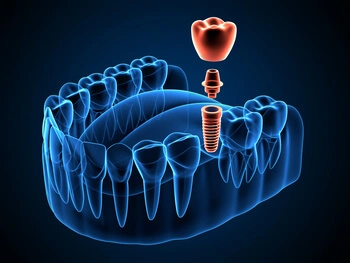 Healing happens in stages:
- Initial healing phase, where blood clot formation protects the surgical site
- Soft tissue healing, where the gum tissues and surrounding tissues recover
- Bone healing, where bone tissue bonds with the implant
- Tissue regeneration, supporting the implant and replacement tooth
This healing period relies on healthy blood flow, strong blood vessels, and stable bone tissue. Anything that interferes with these factors can slow healing or increase the risk of complications.
Why Smoking Affects Dental Implant Healing
Smoking and dental implants do not work well together. Cigarette smoking introduces nicotine and carbon monoxide into the oral cavity, both of which reduce blood flow. Reduced blood flow limits oxygen and nutrients reaching the implant site.
Smoking compromises healing by:
- Narrowing blood vessels
- Slowing blood clot formation
- Reducing oxygen supply to bone tissue and soft tissues
- Affecting gum tissues and surrounding tissues
These effects contribute to a delayed healing process or slower healing, particularly during the initial healing period after dental implant surgery.
Is Light Smoking After Dental Implant Still a Risk?
Many people assume light smoking carries less risk than heavy smoking. While smokers compared to non-smokers do show higher complication rates overall, even light smoking after dental implant surgery can increase risk.
Light smoking may still:
- Interfere with blood flow to the surgical site.
- Affect bone healing and tissue regeneration.
- Increase the chance of implant failure.
Dentists consistently note that there is no “safe” level of smoking during the healing process. Even occasional smoking with dental implants can affect proper healing and implant stability.
Smoking and Implant Failure
Implant failure occurs when the implant does not integrate properly with the bone or becomes unstable. Dental implant failure may happen early during healing or later after the implant appears stable.
Smoking increases the risk of implant failure because:
- Bone tissue may not bond effectively to the implant.
- Gum disease and periodontal disease are more likely.
- Infection risk increases at the implant site.
- Bone loss around the implant can occur.
Studies comparing smokers to non-smokers show that implants fail more often in smokers, even those who smoke lightly. This is why dental implant failure is more common in patients who continue smoking after implant placement.
The Impact on Gum Tissues and Bone Health
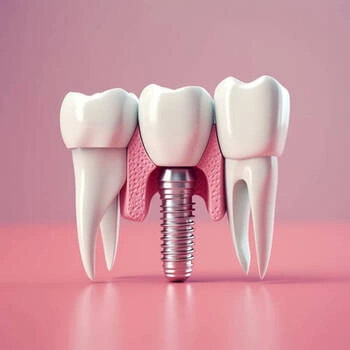 Healthy gum tissues play a key role in protecting dental implants. Smoking affects the soft tissues by reducing circulation and slowing repair. This can lead to inflammation, poor wound closure, and increased susceptibility to gum disease.
Smoking also affects jawbone health by:
- Limiting the bone’s ability to adapt around the implant
- Weakening the structural support that holds the implant in place
- Making the surrounding bone more prone to inflammatory changes
In some cases, patients who smoke may require bone grafting before or after implant surgery to improve support. Even then, smoking compromises the outcome if habits are not changed.
Dental Implants and Smoking: Short-Term vs Long-Term Effects
This section explains how smoking affects implants during healing and over time.
Short-Term Effects During Healing
During the initial healing phase, smoking can:
- Disrupt blood clot formation.
- Increase swelling and discomfort.
- Delay soft tissue recovery.
- Increase infection risk
These short-term effects can affect whether the implant reaches the stage of successful implant integration.
Long-Term Effects on Implant Success
Over time, smoking can:
- Increase the risk of peri-implant gum disease.
- Contribute to bone loss around the implant.
- Reduce the long-term success of the implant.
Even if the implant feels stable at first, smoking habits can affect results years later.
Is Dental Implant Treatment Safe for Smokers?
Dental implant safe outcomes are possible for smokers, but the risk profile is higher. Dentists assess overall health, smoking habits, and oral hygiene before recommending implant treatment.
Implant surgery may still be offered if:
- The patient understands the increased risk.
- Smoking cessation is discussed.
- Excellent oral hygiene is maintained.
- Professional guidance is followed closely.
However, quitting or reducing smoking is strongly advised to improve implant success.
Smoking Cessation and Healing Support
Stopping smoking before and after dental implant surgery can significantly improve overall treatment outcomes. Even temporary quitting during the healing period can support appropriate healing.
Helpful strategies may include:
- Nicotine replacement therapy, such as nicotine patches
- Professional support to quit smoking
- Avoiding cigarette smoking during initial healing
- Reducing smoking habits long-term
Nicotine replacement therapy may be less harmful than smoking because it avoids carbon monoxide, but it should only be used with professional guidance.
Oral Hygiene and Implant Care
Excellent oral hygiene is critical for implant treatment, especially for smokers. Good oral hygiene reduces bacterial build-up and supports gum tissues during healing.
Important steps include:
- Gentle cleaning around the implant site
- Following prescribed medications
- Avoiding smoking during the healing period
- Attending follow-up visits
Strong oral hygiene habits support overall oral health and reduce the risk of implant failure.
What Dentists Recommend
Dentists strongly advise avoiding smoking after dental implant surgery. This advice applies to all levels of smoking, including light smoking.
Most recommendations include:
- Do not smoke during the initial healing phase.
- Avoid smoking for as long as possible during healing.
- Consider quitting smoking entirely for long-term success.
These recommendations are based on clear evidence showing smoking compromises healing and increases the risk of implant failure.
Comparing Smokers and Non-Smokers
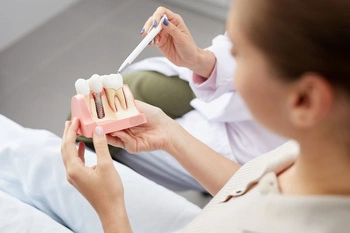 When looking at implant success rates, non-smokers consistently achieve better outcomes. Compared with smokers, non-smokers experience:
- Faster healing process
- Better bone healing
- Lower risk of gum disease
- Higher long-term implant success
This comparison highlights why smoking with dental implants is a significant concern, even when smoking is light.
Final Thoughts
So, is light smoking after dental implant surgery safe? While light smoking may seem less harmful, it still increases the risk of delayed healing, implant instability, and dental implant failure. Smoking affects blood flow, bone tissue, gum tissues, and overall healing in ways that can compromise results.
Dental implants and smoking do not combine well, particularly during the healing period. For the best chance of successful implant integration and long-term success, quitting smoking or stopping entirely during healing is strongly advised.
Following professional guidance, maintaining excellent oral hygiene, and supporting overall health can make a meaningful difference in implant outcomes. If you are planning dental implant treatment and smoke, discussing smoking cessation options with dentists is an important step toward protecting your new tooth and overall oral health.
If you’re concerned about delayed healing or the long-term stability of your dental implant, or want clarity on how smoking may affect your recovery, you can book a consultation with us at Lyndarum Family Dentist or call 03 9626 9581 to discuss your situation and next steps.
Note: Any surgical or invasive procedure carries risks. Before proceeding, you should seek a second opinion from an appropriately qualified health practitioner.
Resources
Cherney, K. and McLean, A. (2025). ‘10 Ways to Keep Your Teeth Healthy’. Healthline, 13 May. San Francisco, CA: Healthline Media.
https://www.healthline.com/health/dental-and-oral-health/best-practices-for-healthy-teeth
Colgate Oral Care Team (n.d.). ‘Understanding Bone Grafts for Dental Implants’. Colgate, location and publication date not specified. New York, NY: Colgate-Palmolive Company.
https://www.colgate.com/en-us/oral-health/implants/bone-graft-for-dental-implants-understanding-the-possibility
Mayo Clinic Staff (2024). ‘Dental Implant Surgery’. Mayo Clinic, 23 October. Rochester, MN: Mayo Foundation for Medical Education and Research.
https://www.mayoclinic.org/tests-procedures/dental-implant-surgery/about/pac-20384622