

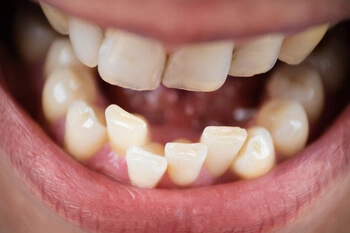
Crooked or crowded bottom teeth are extremely common. Many people notice that their bottom teeth shift out of place long before their upper teeth do. This can happen slowly over time or suddenly after changes in the jaw, habits like thumb sucking, or even the arrival of wisdom teeth. While these changes are normal, they can affect oral health, bite, and confidence.
The good news is that there are several safe, effective ways to straighten bottom teeth and support a healthier, more comfortable mouth. This guide explains why bottom teeth shift, what treatment options exist, and how to choose the right path for your smile.
Why Bottom Teeth Become Crooked Over Time
Understanding why bottom teeth shift helps you choose the right solution.
Natural Changes in Jaw Size and Alignment
As we age, the jaw size and shape change. The lower jaw tends to narrow slightly over the years, which causes the lower teeth to push against each other. This can lead to crooked bottom teeth, even if your smile looked straight when you were younger.
This natural shift often leads to teeth crowding, which makes brushing and flossing more difficult and can trap food particles.
Habits That Affect Teeth Alignment
 Small habits have a big effect on alignment. For example:
- Thumb sucking in childhood can change the way the top and bottom teeth sit.
- Teeth grinding can push the bottom teeth forward or twist them over time.
- Biting fingernails or chewing on pens can also affect alignment slowly.
These habits may also lead to tooth wear, sore gums, and other dental issues.
Missing Teeth and Bite Problems
When you have missing teeth, the teeth next to the gap start to shift. This movement can affect both the upper teeth and the lower teeth, causing them to tilt or rotate.
This also affects your bite, which can lead to uneven pressure, discomfort while chewing, and further misalignment.
Wisdom Teeth Pressure
Wisdom teeth do not always cause crowding, but in many people, they add pressure behind the lower teeth. This becomes more noticeable if the teeth are already close together. If wisdom teeth erupt in the wrong direction, they can affect tooth alignment and make the bottom teeth appear more crooked.
Gum Disease and Oral Health Issues
Advanced gum disease weakens the structures that hold the teeth in their desired position. When gums become inflamed or start to recede, the stabilising support is reduced. This can cause misaligned teeth, mobility, and movement over time.
Good day-to-day habits play a huge role. Good oral hygiene and regular dental visits help keep teeth stable.
Why Straightening Bottom Teeth Matters
Many people focus on the appearance of their top teeth, but the lower ones are just as important. Straightening them supports long-term good oral health and prevents other issues from developing.
Easier Cleaning
When bottom teeth overlap, it becomes harder to clean between them. This traps food particles, increases the risk of bad breath, and raises the chance of decay or gum problems.
Better Oral Health and Gum Protection
Crowded teeth can put extra pressure on the gums, which can increase inflammation. Straightening them helps gums stay healthier and reduces the risk of gum disease.
Reduced Tooth Wear
When the bite is uneven, certain teeth take more force than others. This leads to tooth wear, small chips, and sensitivity.
Improved Smile Balance
A smile looks more even when both the upper teeth and lower teeth sit in harmony. Many people want a more balanced look to achieve their desired smile, and straightening the bottom teeth can make a significant difference.
Supports Long-Term Dental Stability
When bottom teeth are aligned properly, the whole mouth stays more stable. This reduces the risks of future bite problems, jaw discomfort, and shifting of other teeth.
Straightening your bottom teeth is not only about achieving a picture-perfect smile. It is also about building a stronger, healthier mouth.
Your Main Treatment Options to Straighten Bottom Teeth
There are many teeth straightening options, but only a few are proven, safe, and recommended by dentists. Let us explore the most common treatment options, how they work, and who they suit best.
Option 1: Invisalign and Clear Aligner Treatment
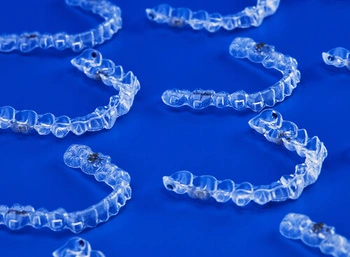 One of the most popular modern options is Invisalign. This uses thin, custom-made Invisalign aligners to slowly move your bottom teeth into their desired position.
These clear aligners are smooth, removable, and made to be almost invisible when worn. For many adults, this is a discreet way to straighten teeth without brackets or wires.
How Invisalign Treatment Works
- A dentist takes a scan of your teeth.
- A personalised treatment plan is created to straighten your bottom teeth step by step.
- You wear a series of Invisalign clear aligners, switching to new trays every one to two weeks.
- Each aligner applies gentle pressure to guide the teeth into better alignment.
Benefits
- Almost invisible
- Can be taken out during meals
- Easy to clean
- Comfortable for day-to-day wear time
Because they are removable, many adults enjoy the convenience of taking aligners out when brushing or eating.
Best For
- Mild to moderate crowding
- Rotated or slightly crooked teeth
- People wanting a discreet option
- Those who prefer removable aligners
Important Note About DIY Braces
Some people try DIY braces or online mail-order aligners. These can be unsafe because you do not get proper dental supervision. Without a dentist checking your teeth, you risk gum problems, bone changes, worsening bite issues, and sometimes permanent damage. Professional clear aligner treatment ensures your oral health stays protected throughout the process.
Option 2: Traditional Braces for Reliable Results
Braces are a long-standing option for correcting more complex tooth movements. They give dentists precise control over each tooth.
Traditional Metal Braces
Traditional metal braces use brackets and wires to straighten even severe crowding or rotation. They work well when the bottom teeth need strong guidance.
Lingual Braces
Lingual braces sit behind the teeth instead of the front. They work the same way as metal braces but are hidden from view. They are harder to clean but very effective.
Ceramic Braces
These braces use tooth-coloured brackets. They blend in better with your natural tooth shade. They are popular for adults who want a less visible option but still want the reliability of traditional braces.
Why Braces Might Be Recommended
Braces work well for:
- Severe teeth crowding
- Significant rotation
- More complex bite problems
- Cases where Invisalign treatment may not be strong enough
Braces are fixed, so they are always working. This makes them predictable and efficient for many cases.
Option 3: Veneers for Cosmetic Straightening
For some, dental veneers may help improve the appearance of slightly crooked or chipped lower teeth. Veneers are thin shells placed on the front of the teeth to change their shape, colour, or look.
However, veneers do not move teeth or fix the bite. They only change appearance.
They may help with:
- Minor rotations
- Small gaps
- Improving overall shape
They are usually not the first recommendation for misaligned bottom teeth, but they are an option when the goal is purely cosmetic.
What Affects Your Treatment Plan
Choosing the right path to straighten your teeth depends on your mouth, your goals, and your daily habits. Here are the main factors your dentist will consider.
Severity of Crowding or Misalignment
Mild to moderate cases may suit clear aligners, while severe crooked teeth or crooked bottom teeth often require traditional or ceramic metal braces.
Current Bite and Alignment Issues
Your bite plays a big role. If the top teeth and bottom teeth do not come together properly, your dentist will need to address this for long-term stability.
Ignoring bite problems can lead to:
- Ongoing teeth grinding
- Jaw discomfort
- Uneven tooth pressure
- Increased tooth wear
Oral Health and Gum Condition
Before straightening teeth, your gums must be healthy. If you have gum disease, inflammation, or plaque buildup, this needs to be treated first to protect your long-term oral health.
Lifestyle and Wear Time
If you prefer a removable option but will not commit to wearing aligners 20 to 22 hours per day, Invisalign aligners may not be the best choice.
If you want a set-and-forget approach, braces may suit you better.
Missing Teeth and Wisdom Teeth
If you have missing teeth, the dentist may need to correct gaps before alignment.
If your wisdom teeth affect the crowding, they might recommend removing them before straightening the bottom teeth.
Treatment Cost and Time
The total treatment cost varies depending on the option you choose, the complexity of your case, your location, and the number of appointments needed.
While braces may cost less upfront, Invisalign offers flexibility and convenience. Veneers vary widely depending on materials.
What to Expect During the Straightening Process
Once you choose the right orthodontic treatment, your dentist will guide you through each step to help you achieve straight teeth safely and comfortably.
The Consultation
This first visit usually includes:
- Photos
- A scan or impressions
- A bite check
- A discussion of your goals for your smile
The dentist will explain the treatment options that match your needs.
Custom Treatment Plan
You will receive a detailed treatment plan, including:
- The expected length of treatment
- Whether aligners or braces are recommended
- How your bottom teeth will move
- What to expect at each stage
- How your mouth and gums may feel during treatment
Regular Visits
Braces require adjustments every few weeks.
Invisalign treatment includes check-ups to ensure the trays are guiding the movement safely.
Daily Care and Good Oral Hygiene
No matter the method, you will need to maintain good oral hygiene to keep everything healthy. Crowded teeth trap more plaque, so brushing and flossing become even more important during treatment.
Life After Straightening Bottom Teeth
Finishing treatment is a great step toward your desired smile, but stability is key.
Retainers
You will need retainers to keep your teeth aligned. Without them, the lower teeth may shift back.
Retainers can be:
- Removable
- Fixed behind the teeth
Your dentist will guide you on which option is best.
Avoiding Old Habits
Habits like teeth grinding should be managed to keep your teeth in the desired position. A night guard is often recommended if grinding continues after treatment.
Maintaining Good Oral Hygiene
Straight teeth are easier to clean, but you will still need:
- Regular dental check-ups
- Good brushing and flossing
- Healthy gums to support long-term stability
Final Thoughts
Crooked or crowded bottom teeth are extremely common, and they can affect more than just your appearance. They influence your bite, comfort, oral health, and day-to-day confidence. With today’s advanced orthodontic treatment options, from Invisalign clear aligners to metal braces, there are safe and reliable ways to straighten your bottom teeth and build a stronger, healthier smile.
The right treatment depends on your goals, lifestyle, and the condition of your teeth. Working closely with a dentist ensures that your plan protects your gums, bite, and long-term health. With proper care, you can straighten your teeth, improve your oral health, and enjoy a well-balanced smile for years to come.
If you are concerned about crooked or crowded lower teeth or want a clearer understanding of your treatment options, you can book a consultation with us at Lyndarum Family Dentist or call 03 9626 9581 for guidance tailored to your smile.
Resources
Cleveland Clinic Staff. (2023). ‘Teeth Braces’. Cleveland Clinic, 13 January. Cleveland, OH: Cleveland Clinic.
https://my.clevelandclinic.org/health/treatments/24601-teeth-braces
Colgate Oral Health Editorial Team. (2023). ‘What Is Good Oral Hygiene?’. Colgate, 9 January. New York, NY: Colgate-Palmolive.
https://www.colgate.com/en-us/oral-health/adult-oral-care/what-is-good-oral-hygiene
Mayo Clinic Staff. (2024). ‘Teeth Grinding (Bruxism)’. Mayo Clinic, 27 December. Rochester, MN: Mayo Foundation for Medical Education and Research.
https://www.mayoclinic.org/diseases-conditions/bruxism/symptoms-causes/syc-20356095
Watson, S. (2024). ‘Gingivitis and Periodontal Disease (Gum Disease)’. WebMD, 9 February. New York, NY: WebMD LLC.
https://www.webmd.com/oral-health/gingivitis-periodontal-disease



When your child’s baby teeth start to fall out, it can feel like a major milestone. But what happens when those long-awaited adult teeth start Read more